The interface was designed around accessibility-first principles.
Using dyslexia-friendly typography and readable font weights
Increasing spacing between text, sections, and interface elements
Designing simplified navigation flows with fewer distractions
Using clear icons and visual indicators to support written content
Creating calming colour palettes with accessible contrast ratios
Breaking information into smaller, digestible sections
Prioritising important travel details through strong visual hierarchy
Design Decisions
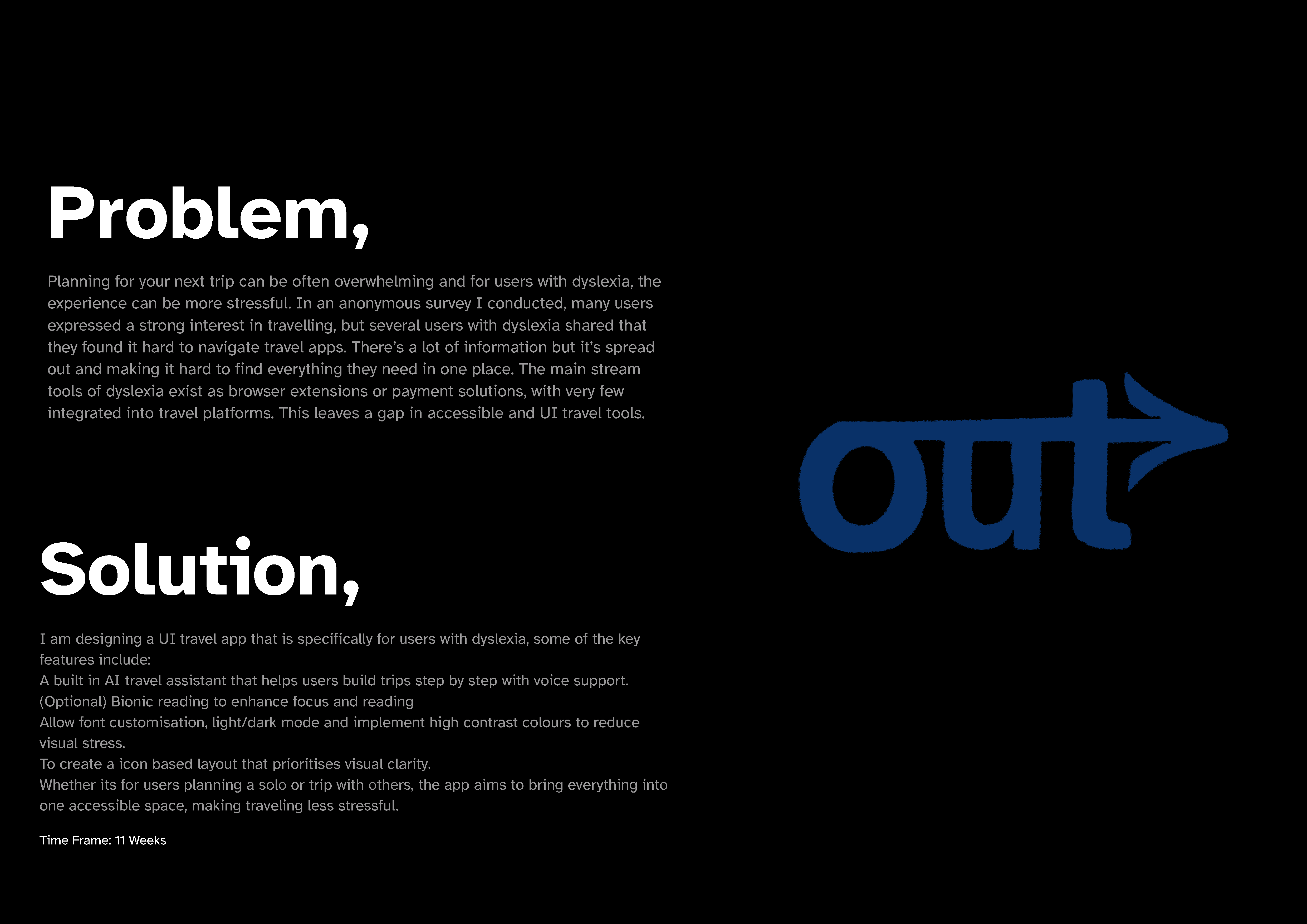
Problem
The final product was a redesigned website experience that better reflected Rekro’s evolving identity and target audience. The updated platform communicated the brand more clearly, improved the visual structure of information, and created a more modern user experience tailored to both students and the wider rental market.
This project strengthened my understanding of inclusive design, accessibility standards, user research, and designing interfaces that prioritise real user needs.
Final Outcome
Research focused on accessibility standards, dyslexia-friendly interface design, and existing travel applications.
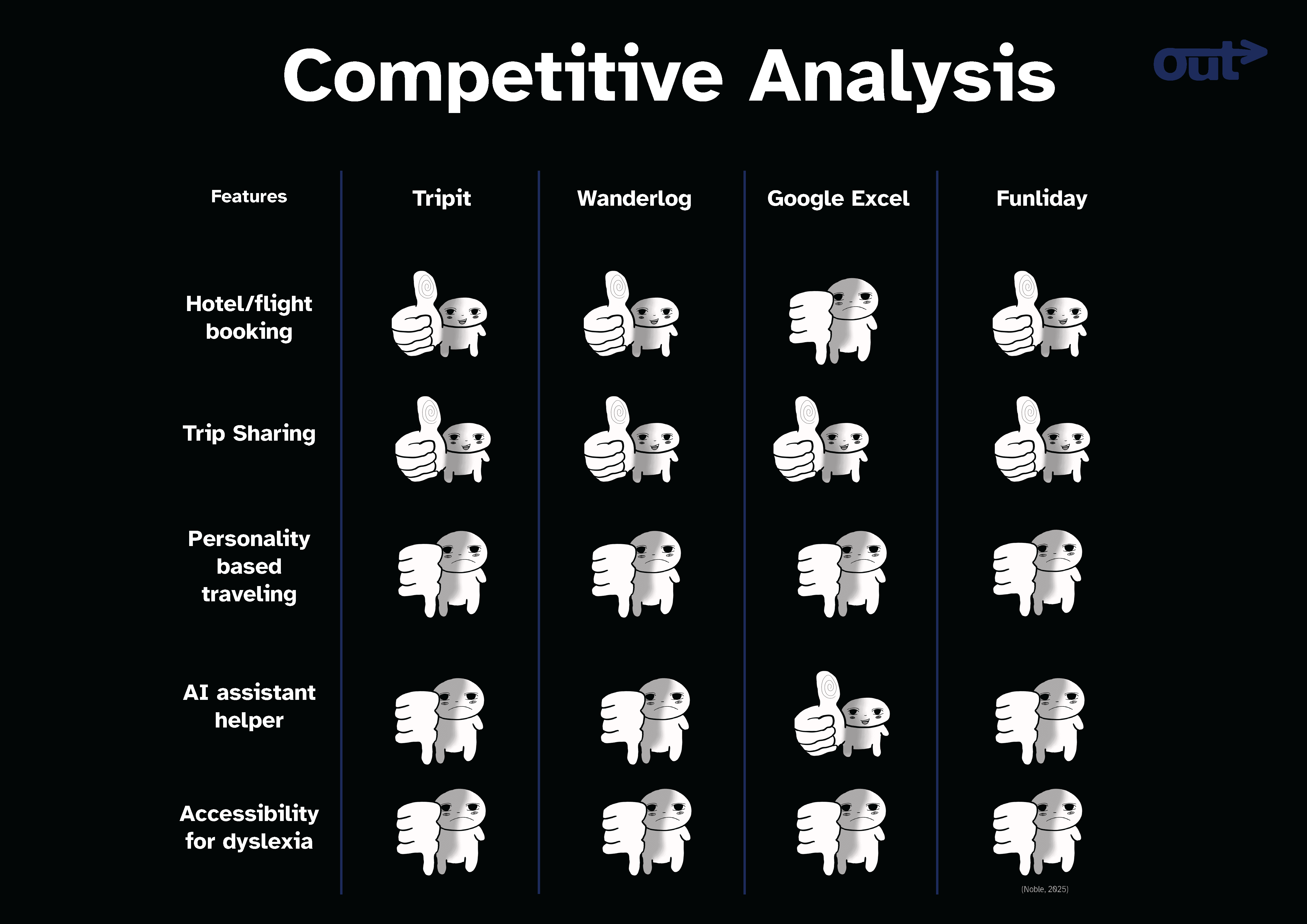
I also analysed existing travel and booking platforms to identify common usability issues and accessibility gaps.
Users preferred larger text sizes and increased spacing
High contrast but soft colour palettes improved readability
Icons and visual cues helped reduce reliance on long text blocks
Simple navigation reduced cognitive load
Clear information hierarchy improved usability and confidence while travelling
Research